Key takeaways
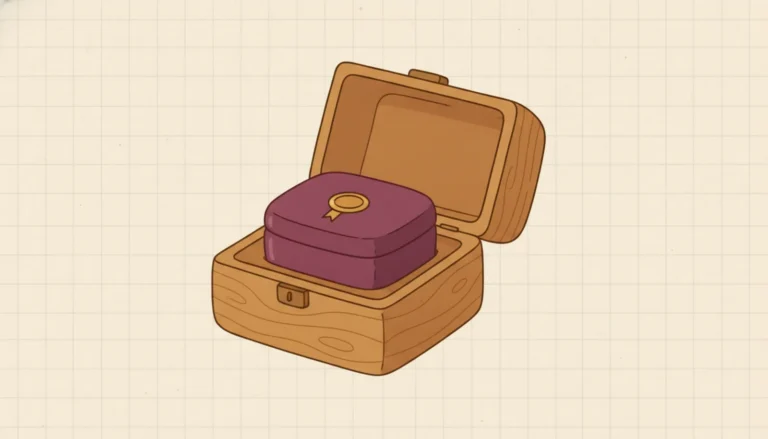
- Hot wallets are online and convenient; cold wallets are offline and far harder to steal from.
- Use a hot wallet for small, active amounts and cold storage for larger, long-term holdings.
- An exchange balance is custodial - the platform holds your keys, which is a different risk entirely.
- Whatever you choose, protecting your recovery words is the one non-negotiable.
The quick version. A hot wallet keeps your keys on an internet-connected device; a cold wallet keeps them on something that never goes online. Hot is convenient and fine for small, active balances. Cold is slower to use and far harder to attack remotely, which makes it the sensible home for savings. Most people end up using both, for different jobs.
The distinction that actually matters
Forget the marketing for a moment. The only real difference is whether the private keys ever touch a device that is connected to the internet.
A hot wallet is a phone app, a browser extension or a desktop program. The keys live on that machine, so signing a transaction is instant, and so is interacting with a website that asks you to approve something.
A cold wallet keeps the keys on a dedicated device that has no general-purpose internet connection. When you want to send funds, the unsigned transaction is passed to the device, you approve it on its own screen, and only the signature comes back. The keys never leave.
That is the whole idea. Everything else is packaging around this one property.
What a hot wallet is genuinely good at
Hot wallets are not a beginner’s mistake. They are the right tool for a specific job: money you actually intend to use.
They open in seconds, work anywhere, and connect easily to applications. If you want to try a decentralised exchange, mint something, pay someone, or move small amounts around, a hot wallet is the practical choice.
The cost is exposure. The device is online, it runs other software, and it can be phished. A convincing fake site or a malicious approval can drain a hot wallet quickly, without needing your seed phrase at all. That is not a reason to avoid them, but it is a reason to keep the balance small enough that a bad day is annoying rather than devastating.
What a cold wallet buys you, and what it costs
Cold storage removes the remote attacker from the picture. Someone who compromises your laptop still cannot sign a transaction, because the signing happens on a separate device with its own screen and its own confirm button.
The honest trade-offs are worth stating plainly:
- It is slower. Every send involves the device, a cable or a Bluetooth pairing, and a manual confirmation. This is a feature when the amounts are large and a nuisance when they are tiny.
- It costs money. A hardware wallet is a purchase, and that only makes sense above a certain balance.
- It shifts the risk, it does not delete it. Cold storage protects against remote theft. It does nothing about a lost backup, a badly stored recovery phrase, or a device bought from an untrustworthy reseller.
- It does not stop you approving something harmful. If you confirm a malicious transaction on the device screen, it will be signed. Reading what you are approving still matters.
Because the recovery phrase remains the single point of failure in either setup, it is worth reading how to protect your seed phrase before you move anything meaningful into cold storage.
The spending wallet and the savings wallet
The cleanest mental model is one most people already use with ordinary money. You keep some cash in a pocket and the rest somewhere less convenient on purpose.
So: a hot wallet holds what you are actively using, sized so that losing it would sting but not hurt. A cold wallet holds the long-term balance, touched rarely, connected to nothing experimental.
Keep them genuinely separate. Different devices, different recovery phrases, and no habit of pasting the savings address into random sites. The point of the split is that a mistake in one place cannot reach the other.
If your coins are currently sitting on an exchange, that is a third category again: you do not hold the keys at all, so you are trusting the company. Our guide on moving crypto off an exchange explains how to make that transfer carefully, test transaction included.
Matching the tool to the amount at stake
There is no universal threshold, and anyone quoting one is guessing. A more useful question: if this balance vanished tomorrow, how would I feel?
If the answer is “mildly irritated”, a well-maintained hot wallet is proportionate. If it is “that would genuinely change my year”, the extra friction of cold storage is buying you something real.
Whichever way you go, the setup matters more than the brand. Buy hardware directly from the manufacturer rather than a marketplace, initialise it yourself so the phrase is generated on the device, and never accept a phrase that arrived pre-printed in the box. Our hardware wallet setup guide walks through that first hour, and the review methodology explains how we assess devices without pretending to have handled every one of them.
Key takeaways
- Hot means the keys are on an online device; cold means they are not. Everything else follows from that.
- Hot wallets suit small, active balances. Cold wallets suit savings you rarely touch.
- Running both, with separate recovery phrases, gives you convenience without putting everything in one basket.
- Cold storage stops remote theft, not careless approvals or a badly stored recovery phrase.
Educational content, not financial advice. Never share your seed phrase or private keys with anyone — including anyone claiming to be CoinCrafty.
Frequently asked questions
Do I need a hardware wallet?
Not for small amounts you use regularly, where a reputable hot wallet is usually fine. For larger, long-term holdings, a hardware (cold) wallet meaningfully reduces the risk of theft and is widely considered worth it.
Is keeping crypto on an exchange the same as a wallet?
Functionally you can hold crypto there, but it is custodial - the exchange controls the keys, not you. If the platform fails or is hacked, your funds are at risk. That is a different risk profile from self-custody.
Can I use both a hot and cold wallet?
Yes, and most people do. A small hot-wallet balance for everyday activity plus cold storage for the bulk is a common, sensible setup - like keeping some cash on hand and the rest secured.
Last updated Jul 30, 2026

Sidhartha Shukla covers crypto and business markets for CoinCrafty.