Key takeaways
- Tokenomics - supply, issuance and distribution - often decides whether a token rewards holders or insiders.
- A large gap between circulating and total supply means future dilution; scarcity today can be an illusion.
- Fully diluted value can dwarf market cap - always check both to avoid overpaying on hidden future supply.
- Heavy insider concentration and looming unlocks are red flags; wide distribution is far healthier.
The quick version. Tokenomics is the plumbing of a token: how many exist, who has them, when more appear, and why anyone would want one. Most disappointment here comes from supply that was always scheduled to arrive. Learn to read a supply chart, an allocation table and an unlock calendar, and bad design becomes visible early.
Circulating, total and fully diluted
Three numbers get confused constantly, and the confusion often suits whoever published them. Circulating supply is what exists and can move today. Total supply includes tokens that exist but are locked or reserved. Maximum supply is the ceiling written into the design, if there is one at all.
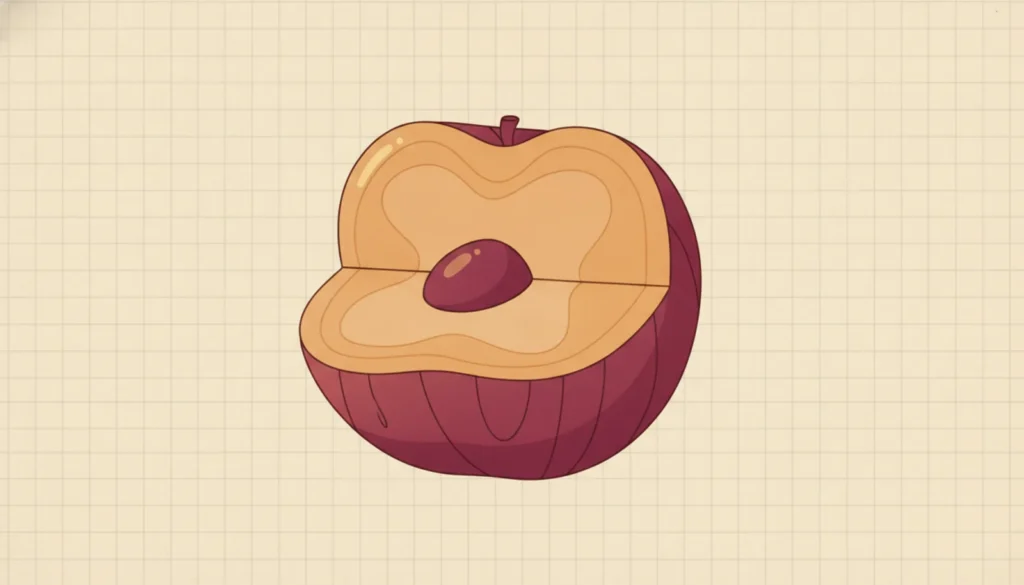
Market capitalisation uses the circulating number, so a project can look small while a great deal of supply waits offstage. Fully diluted valuation applies today’s price to the eventual supply, and the gap between the two is a rough measure of the dilution still to come.
Neither figure is a valuation in any serious sense; both are arithmetic. But when fully diluted value dwarfs the market capitalisation, most of the tokens have not arrived yet, and that changes what you are looking at.
Where the supply went
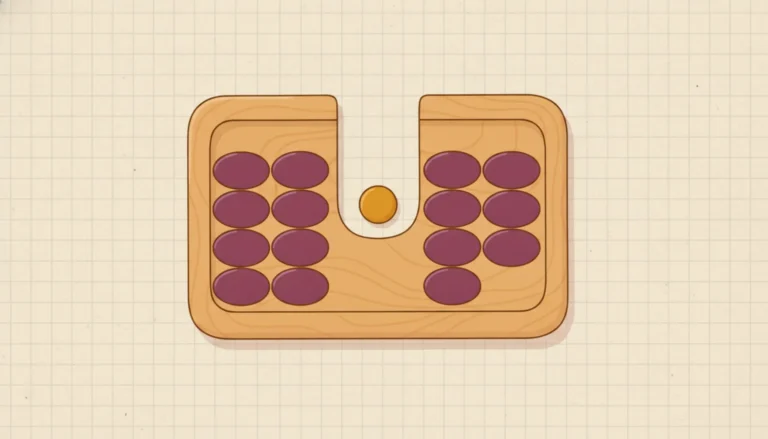
Every distribution answers one question: who was given a claim on this network, and what did they pay? Allocation tables usually split supply between the team, early investors, a treasury, ecosystem incentives, and whatever reached the public.
Read the insider share first. A large allocation to the team and early backers is not automatically wrong, since building things takes funding and people. It does tell you that much of the eventual selling pressure belongs to people whose entry price was far below yours.
Look at the public portion too. If only a small slice ever reached open buyers, the visible market is thin by design and easily moved. Distribution shapes governance as well, since voting power usually follows tokens, and our guide to researching a new altcoin covers how to check who holds them.
Cliffs, vesting and the unlock calendar
Locked tokens do not stay locked. A typical schedule has a cliff, a date before which nothing can be sold, followed by vesting, a gradual release over months or years.
Cliffs are the part to watch, because they concentrate a large release into a single moment. Gradual vesting spreads the effect out, which is generally healthier for a market. Several big cliffs mean a series of tests the token has to pass.
Two habits help. Find the unlock calendar before you have any exposure, not after, and notice how much of it lands within your own likely time horizon. The wider consequences are set out in altcoin risks every beginner should understand.
Emissions versus real revenue
Plenty of projects pay users for participating: liquidity rewards, staking rewards, farming programmes. The important question is where that payment comes from.
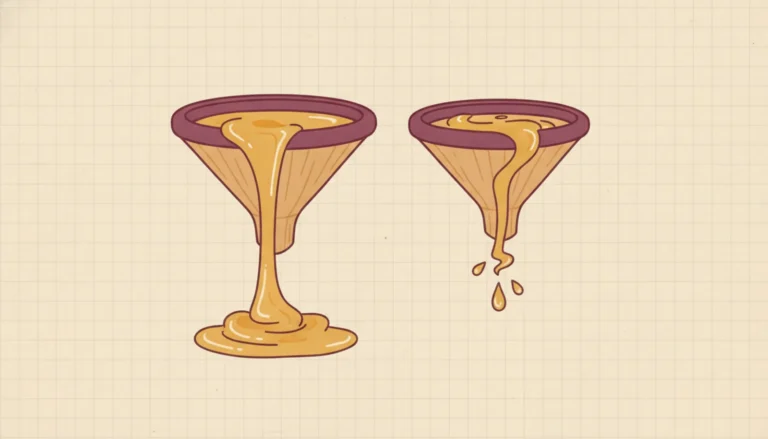
If rewards are funded by issuing new tokens, the project is paying with dilution. Everyone who already holds is quietly funding everyone being rewarded. That can be a reasonable way to bootstrap a young network, but it is a subsidy, not income.
If rewards come from fees users genuinely pay for a service, the picture is different. Real revenue means someone values the product enough to pay for it, and a share of that can reach holders without inflating supply.
So the test is simple: if all token rewards stopped tomorrow, what would still be happening? Activity that survives is real. Activity that vanishes was rented. The same reasoning underpins an honest look at staking, where headline yields often reflect issuance rather than earnings.
What the token is actually for
A well-designed token has a job the network genuinely needs doing. It might pay for computation, secure the network through staking, or serve as collateral. In those cases demand for the token connects to demand for the service.
Weaker designs bolt a token on afterwards. Governance rights over a project you have no involvement in, discounts you would never use, access to features that could have been free: reasons to exist on a slide rather than in practice.
Ask what would break if the token vanished and the product simply charged in something ordinary. If the honest answer is “nothing much”, the token is a fundraising instrument in a functional costume.
Questions that expose a bad design
- How much supply is circulating today, and how much exists in total? If the two are far apart, why?
- What share went to insiders, at what price, and when can they sell?
- Are there cliffs, and where do they fall relative to how long you would hold?
- Are rewards paid from new issuance or from fees people actually pay?
- Is any of this hard to find? Poor disclosure is itself an answer.
Key takeaways
- Supply, allocation and unlock schedules explain more poor outcomes than price charts do, and all three are usually published.
- A large gap between market capitalisation and fully diluted value means most tokens are still to come.
- Rewards funded by issuance are dilution with a friendly name; rewards funded by fees are something else entirely.
- A token’s design tells you how it is built, not whether to own it. Pair it with fundamental analysis for crypto.
Educational content, not financial advice. Crypto is volatile and high-risk; never share your seed phrase or private keys with anyone. Always do your own research.
Frequently asked questions
What is the difference between market cap and fully diluted value?
Market cap counts only the tokens circulating now; fully diluted value assumes every token that will ever exist is already circulating. When only a small share is live, FDV can be many times market cap - a common way beginners overpay.
Why do token unlocks matter?
Unlocks release previously locked tokens held by insiders and early investors into the market. That extra supply can pressure the price if those holders sell, regardless of how the project is performing.
Are low-supply tokens automatically better?
No. A low circulating supply can look scarce while a large total supply waits to be released. What matters is the full picture - circulating versus total supply, issuance rate, and distribution - not the headline number alone.
Last updated Jul 30, 2026

Sidhartha Shukla covers crypto and business markets for CoinCrafty.