


Summary
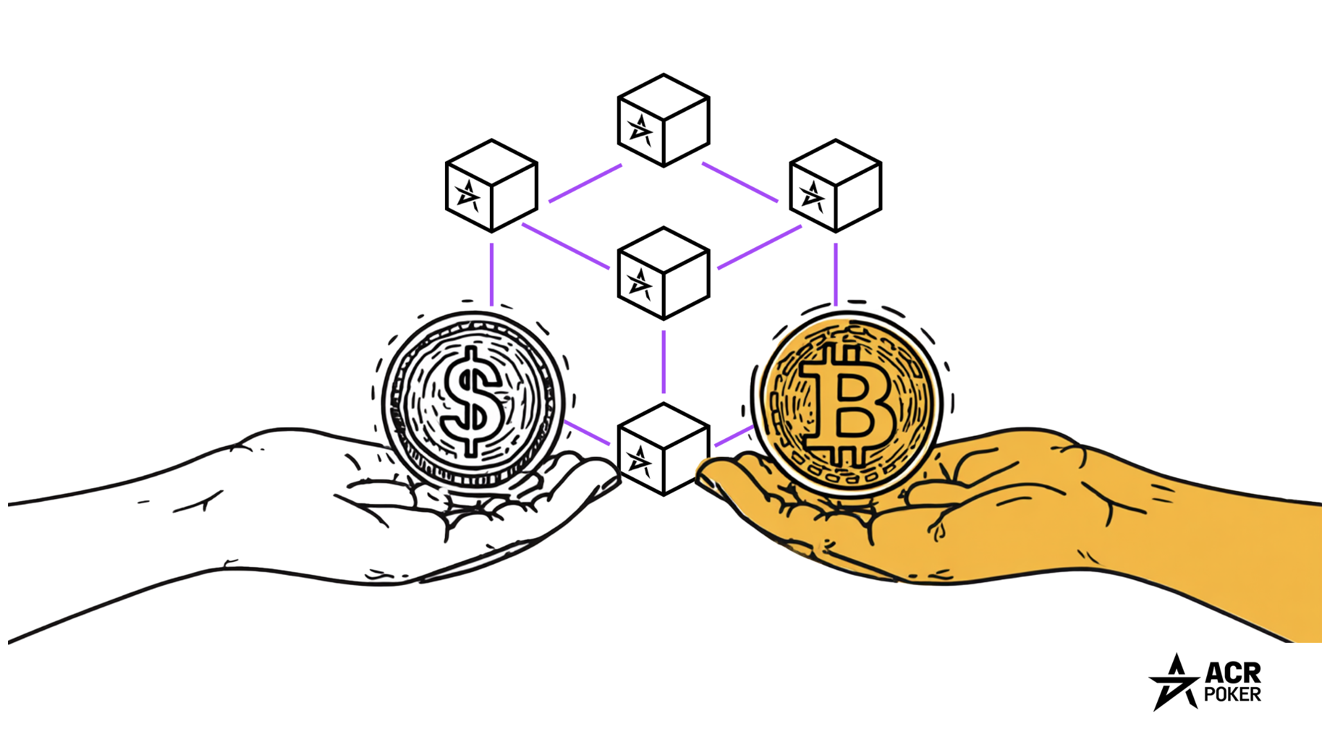
Online poker requires payment systems that are reliable, transparent, and capable of supporting frequent transactions. Crypto poker uses blockchain-based payments to meet these demands, offering an alternative to traditional banking infrastructure. This article outlines the fundamental mechanics of crypto poker, how blockchain payments support online poker activity, and why this model continues to gain traction among digitally native users.
Introduction
Poker is a game of decisions made over time, supported by consistent access to funds and predictable settlement rules. Traditional payment systems have long introduced friction through delays, fees, and geographic limitations.
Crypto poker addresses these issues by integrating blockchain payments directly into online poker ecosystems. Understanding the fundamentals of this model helps explain its growing relevance in modern digital gaming.
How Crypto Poker Payments Work
Crypto poker platforms allow players to deposit and withdraw funds using cryptocurrencies. Transactions are sent from personal wallets to platform-managed addresses and confirmed by blockchain networks.
Once confirmed, funds become available for gameplay. Withdrawals follow the same process in reverse, with users able to observe transaction progress independently.
Blockchain Validation and Trust
Blockchain networks validate transactions through decentralized consensus mechanisms. This removes the need for centralized approval and reduces reliance on financial intermediaries.
In crypto poker, this validation model supports transparent and predictable settlement, reinforcing trust in payment handling.
Speed and Availability
Blockchain networks operate continuously, without business hours or regional downtime. This constant availability supports flexible participation.
Players can manage funds at any time, aligning payment access with the on-demand nature of online poker.
Global Access and Borderless Play
Crypto poker payments function the same regardless of user location. This allows platforms to support international player pools without integrating region-specific banking solutions.
Global access contributes to healthier liquidity and more consistent gameplay opportunities.
Security and User Responsibility
While blockchain transactions are secured cryptographically, users remain responsible for wallet management. Protecting private keys and verifying addresses are essential practices.
Crypto poker shifts part of the security responsibility to participants, emphasizing the importance of user education.
Managing Volatility
Cryptocurrency price fluctuations introduce additional considerations. Players often track bankrolls in stable reference terms and limit exposure by keeping only active funds in crypto.
These strategies mirror broader best practices in digital asset management.
Platform Operations and Efficiency
Blockchain payments reduce administrative overhead by simplifying transaction verification and reconciliation.
This efficiency benefits both users and platforms by reducing delays and disputes.
Crypto Poker as a Real-World Application
Online poker provides a transaction-intensive environment where blockchain payments are used regularly and at scale.
Platforms such as ACR Poker operate within this context, where crypto poker demonstrates how decentralized payments integrate into everyday digital services.
Conclusion
Crypto poker combines blockchain payment technology with skill-based online gaming. By offering continuous availability, global access, and transparent settlement, it addresses many limitations of traditional payment systems. As digital finance continues to evolve, crypto poker remains a clear example of blockchain technology applied to practical, user-driven environments.

